Hyva Commerce 1.3.0 Solstice: What's Actually New, and Should You Upgrade?
Hyva shipped Commerce 1.3.0 Solstice on June 30, 2026, moving six components forward at once. Here is what each one does in practice and who should upgrade now versus wait.
Check the spelling or try a broader word like “checkout” or “SEO”. Still stuck? Ask me directly.
Ask on WhatsApp
Magento 2 & Hyvä articles tagged “Core Web Vitals”: hands-on tutorials, fixes, and guides from Kishan Savaliya, an Adobe-certified Magento developer.
7 articles RSS feed
Related tags: #Hyvä #Alpine.js #Tailwind #Extension Compatibility #Frontend #Magento 2
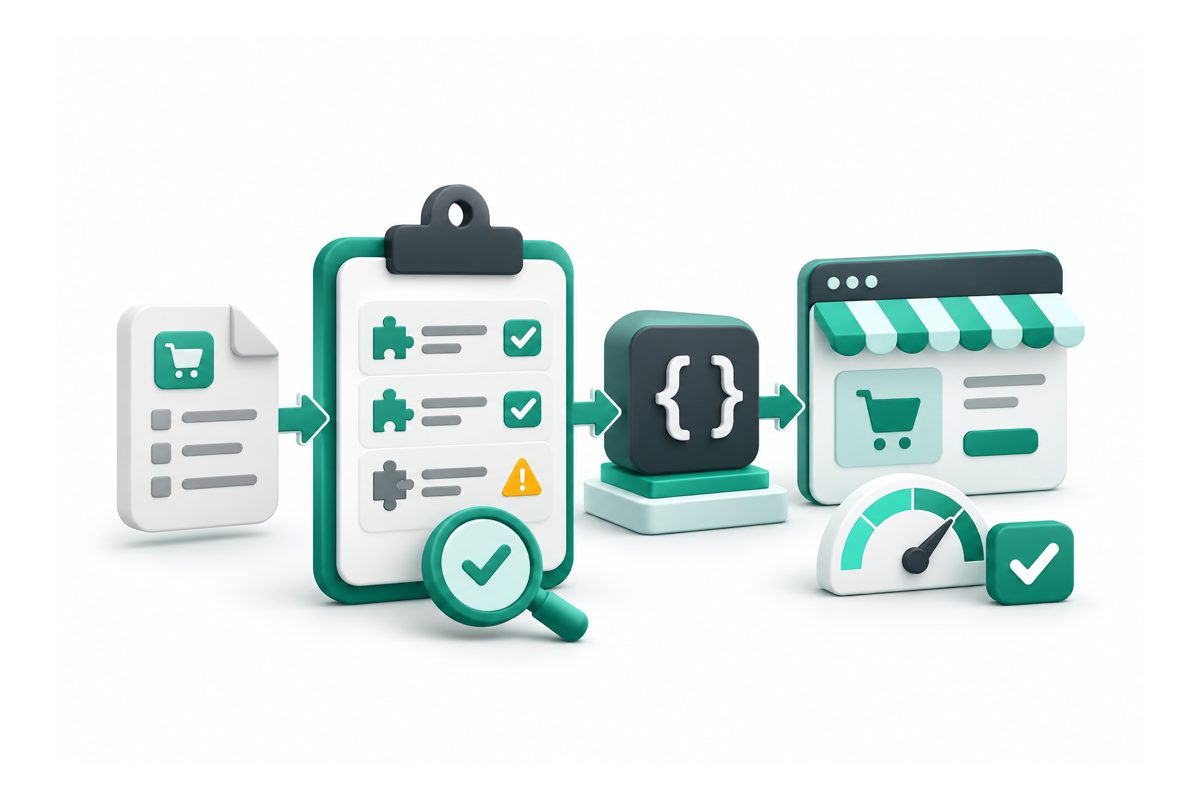
Hyva shipped Commerce 1.3.0 Solstice on June 30, 2026, moving six components forward at once. Here is what each one does in practice and who should upgrade now versus wait.
Ranking is not enough. SXO blends SEO, UX, and CRO so your Magento page satisfies the searcher and converts. Here is why optimized pages still fail, and how to fix them.
2026 is the year hypermedia stopped being a contrarian take. HTMX 4.0 and the ~11 KB Datastar let you build reactive UIs by shipping HTML, not 300 KB of JavaScript, and they slot neatly into a Magento + Hyvä stack.
Magento 2 ships with solid SEO bones, but a fresh install points most of them in the wrong direction. This checklist covers every layer of the stack: indexation, canonicals, structured data, Core Web Vitals, faceted-navigation control, hreflang, image SEO, and AI visibility, with exact admin paths and bin/magento commands.
Four real diagnoses from production Magento + Hyvä stores in 2026. LCP element pinned in DevTools Performance (usually the hero image or an H1 stuck in font-swap), a 10 KiB inline critical CSS budget, a 1200w / 800w / 480w WebP <picture> matrix, INP traced to a 3-second Knockout boot on Luma checkouts, and CLS killed by reserving min-height on the cookie banner. Real Lighthouse JSON excerpts, a recipe checklist, and how to measure each fix.
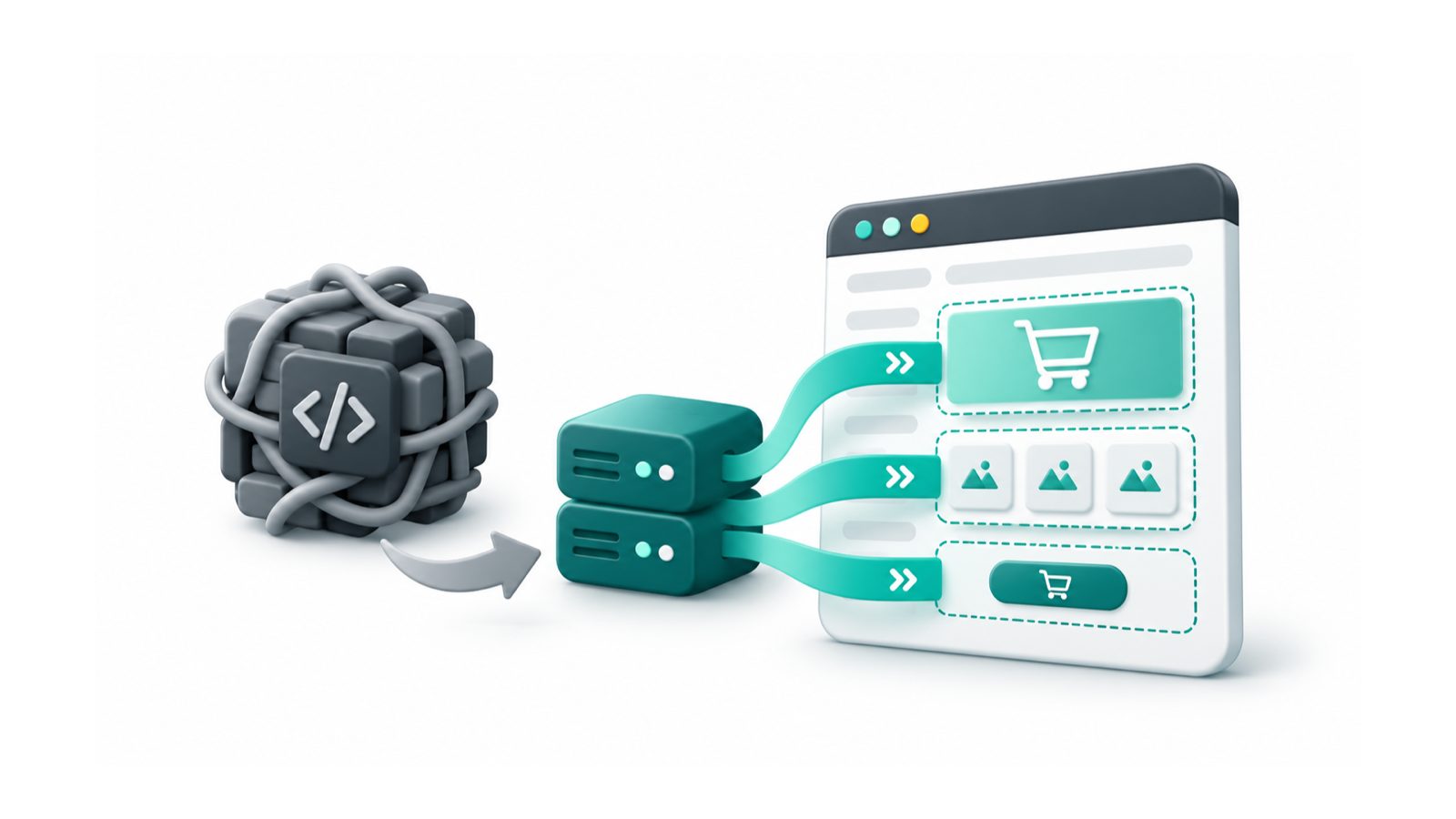
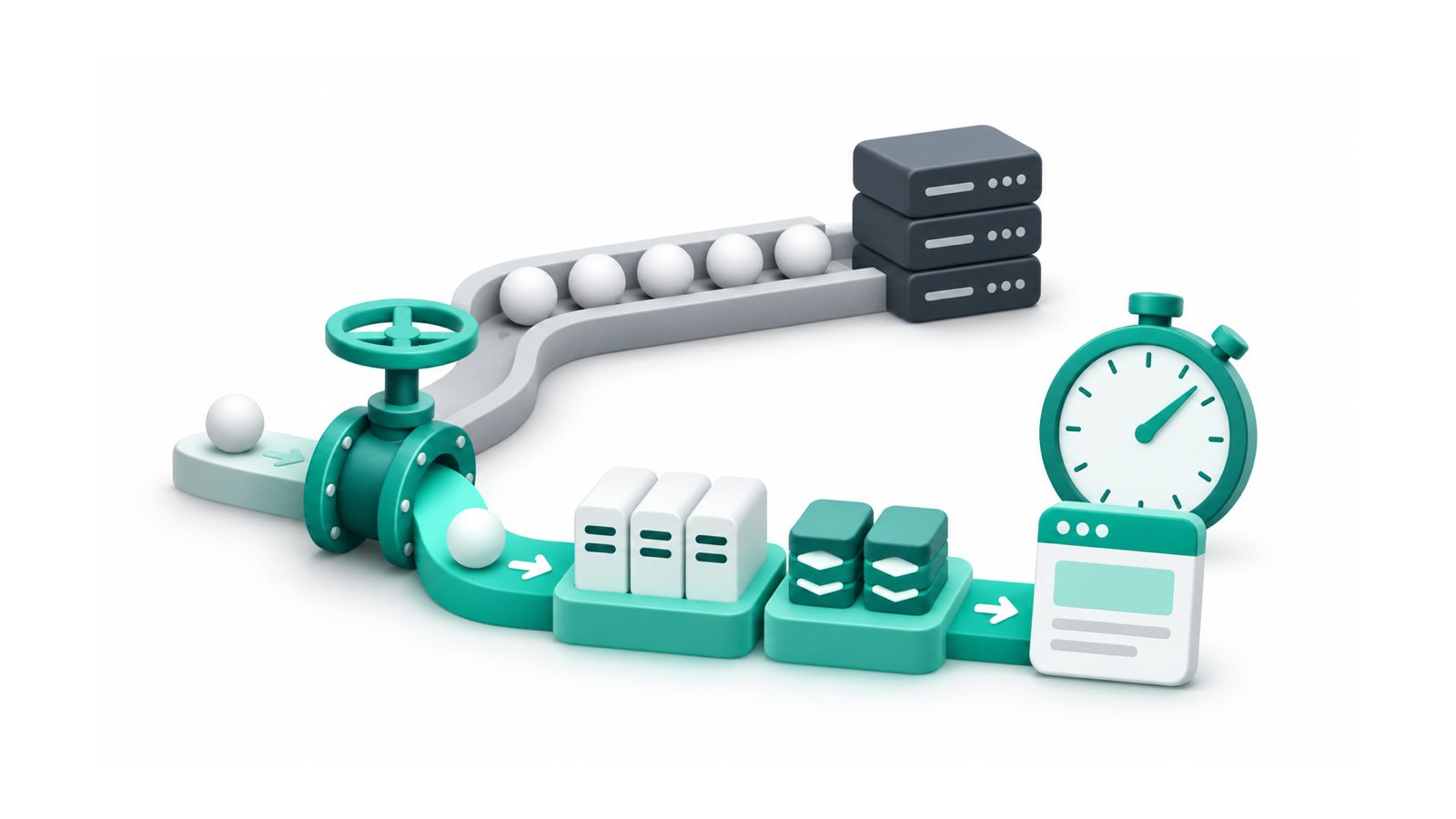
Most Magento TTFB advice stops at "enable Varnish". On Magento 2.4.9, three fixes mattered: PHP-FPM pm.max_children sized to actual per-process memory, a Redis cache_id_prefix collision that two stores quietly shared, and Varnish ESI scoped to cart and wishlist blocks. Here is the real var/log/php-fpm.log, redis-cli MONITOR output, and varnishlog trace that pinned each one: with a table that separates what hits TTFB from what only hits LCP and INP.
Most checkout speed guides repeat the same 20 tips. Only three changes reliably move checkout LCP: defer non-checkout JS, prefetch the payment iframe, and remove the quote mass-action observer. Here is the exact code and how to measure each fix.